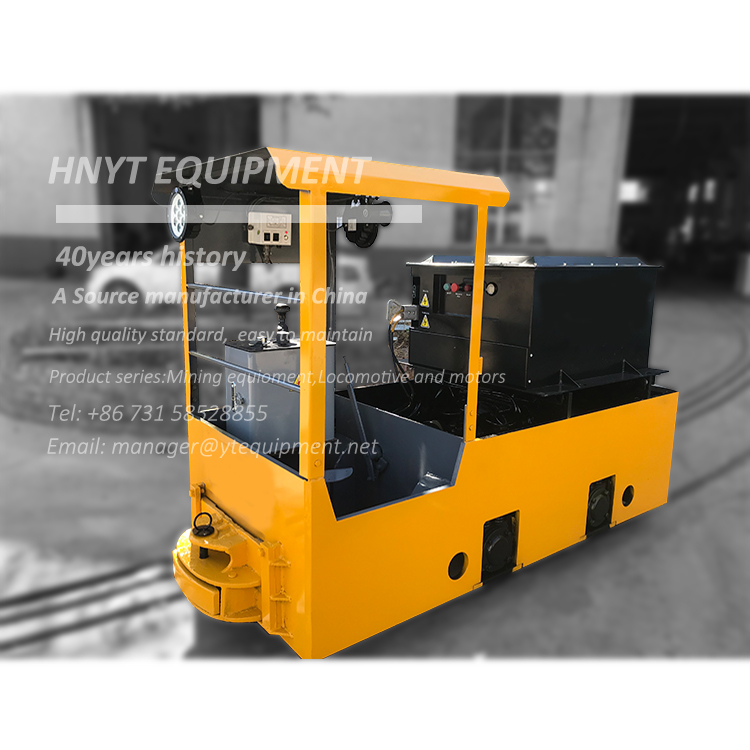
Battery-powered mining electric locomotives rely on lead-acid batteries as their main power source, and regular distilled water refilling is a critical maintenance requirement. Many users notice this instruction in the operation manual and wonder why it is so important.
Water Loss During Charging and Discharging
During normal charging and discharging, batteries generate heat. This heat causes part of the water in the electrolyte to evaporate over time. As water levels drop, the electrolyte becomes more concentrated, which directly affects battery performance and safety.
Risks of High Electrolyte Concentration
A slightly higher electrolyte concentration may bring a very small increase in battery capacity. However, it also increases internal resistance. Higher resistance leads to excessive heat generation during operation. At the same time, overly concentrated electrolyte accelerates plate sulfation, which significantly shortens battery service life.
Why Only Distilled Water Is Allowed
Only distilled water should be added to batteries in mining electric locomotives. Distilled water is free from minerals and impurities. Ordinary purified water or mineral water contains trace elements that can contaminate the electrolyte, damage the plates, and reduce battery efficiency and reliability.
Maintenance Benefits
Regularly adding distilled water helps maintain proper electrolyte concentration. This reduces overheating, slows sulfation, and ensures stable battery output. As a result, maintenance costs are lower and unexpected failures are less likely.
In summary, battery-powered mining electric locomotives need regular distilled water refilling to compensate for evaporation, protect battery plates, and extend battery life. This simple maintenance step is essential for safe, efficient, and long-term underground operation.