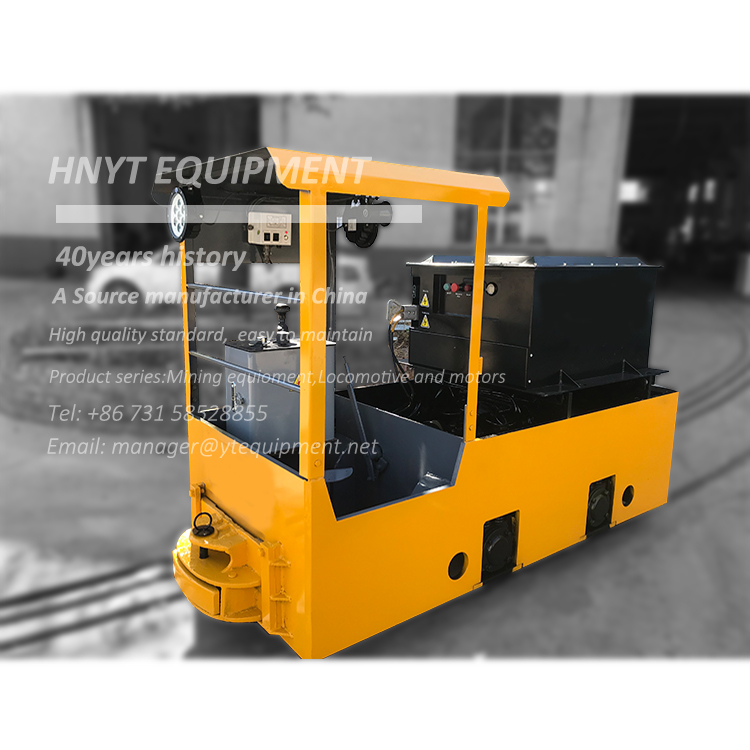
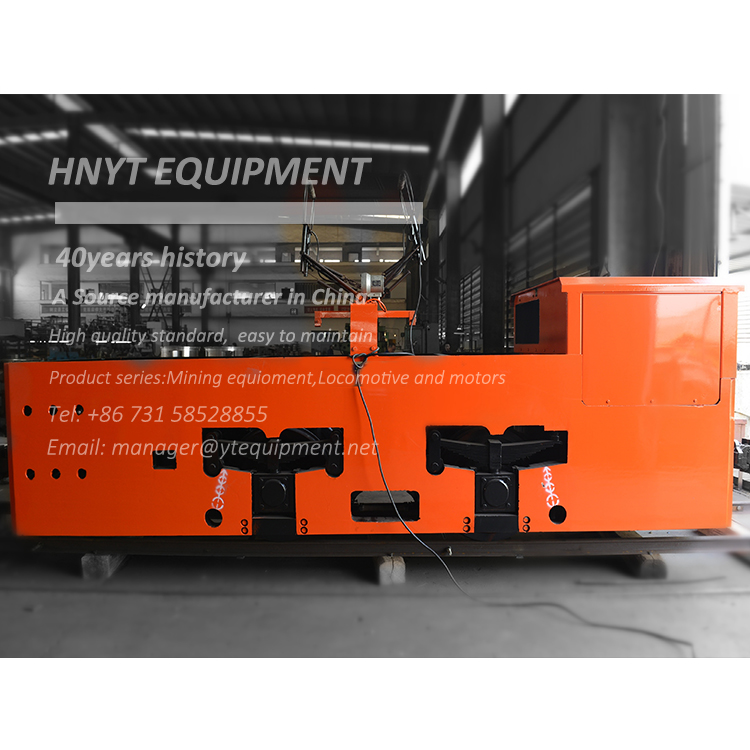
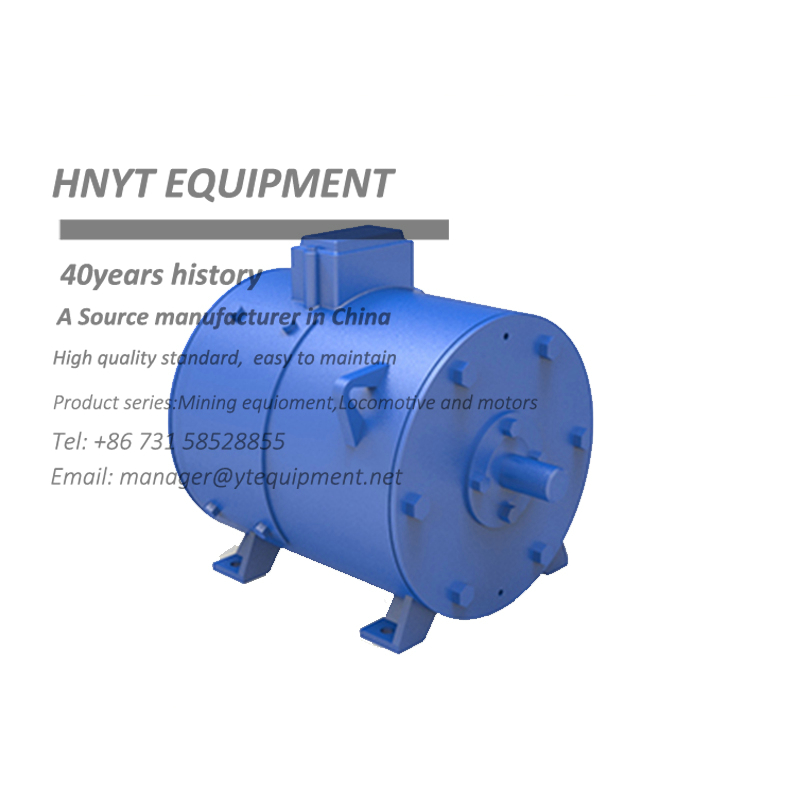
The motor of a battery explosion-proof electric locomotive is its main power source and the core component that ensures reliable operation. Understanding the causes of motor failure helps improve maintenance and extend service life.
1. Overload Issues
Overloading is one of the most frequent causes of motor failure. This happens when the locomotive carries too many materials or tows too many mine cars. In dual-motor systems, if one motor fails and the other takes on the full load, it can lead to overheating, excessive wear, and eventual burnout.
2. Poor Maintenance and Insufficient Care
Inadequate maintenance is another common reason for motor faults in battery explosion-proof electric locomotives. For instance, failing to add lubricant to the bearings on time or adding too much can both cause damage. Excessive pressure between the carbon brush and commutator can lead to severe wear and overheating. Additionally, if inspections are not thorough, short circuits in the coil or wiring can occur, causing serious malfunctions.
3. Improper Operation
Incorrect operation is also a major factor leading to motor failure. Frequently starting and stopping the locomotive or letting the motor idle for long periods can reduce efficiency and cause overheating. Using reverse braking improperly is another dangerous habit that shortens motor lifespan and may lead to component damage.
In short, the motor of a battery explosion-proof electric locomotive can fail due to overload, poor maintenance, or improper operation. To prevent such problems, operators should follow correct procedures, perform regular maintenance, and monitor motor performance closely. Proper management not only ensures safe and efficient operation but also extends the locomotive’s service life.