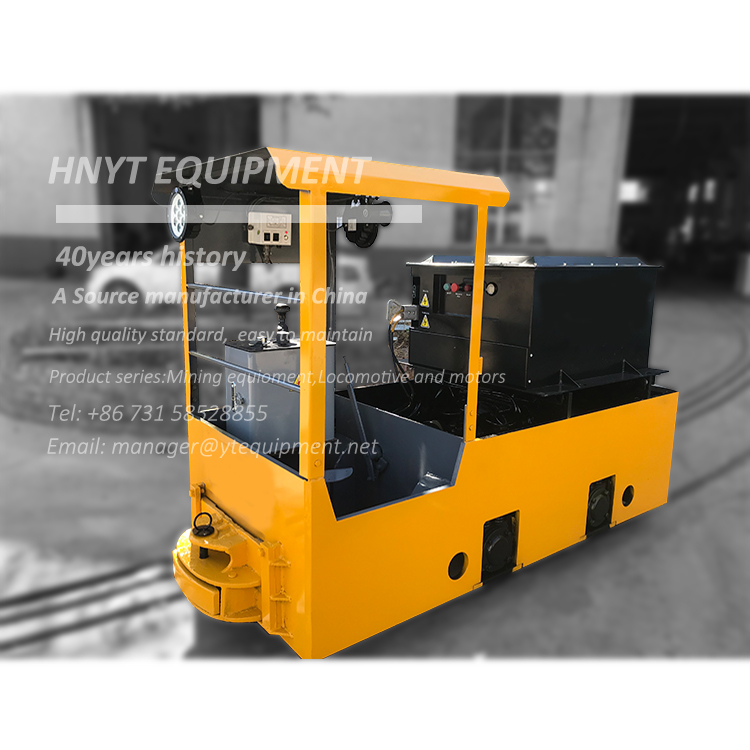
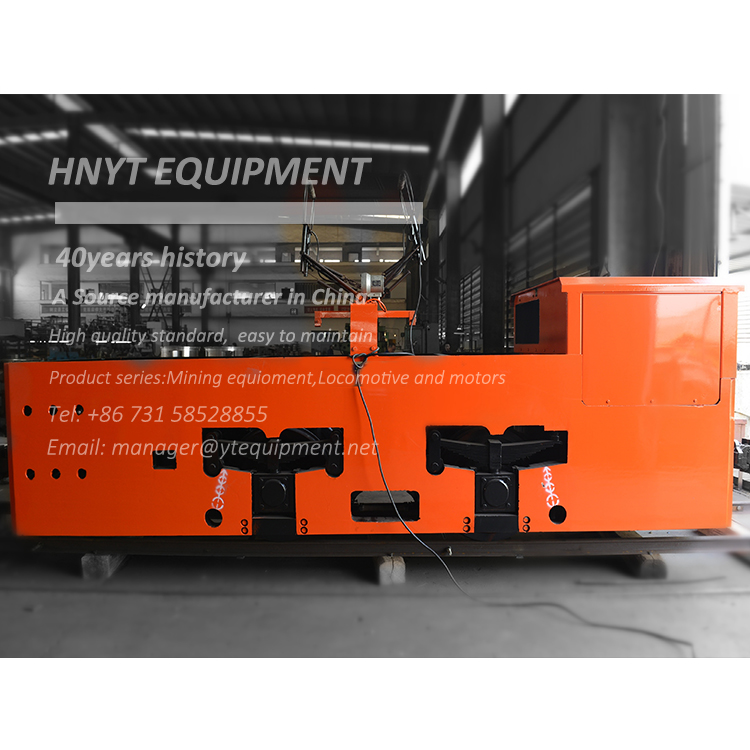
A battery electric locomotive power system must be well maintained to ensure safe operation and long service life. Proper care helps the locomotive run smoothly and reduces the risk of failures during industrial and mining work.
1. Keep the Power System Clean
Regular cleaning is essential. Dust, dirt, and corrosion can build up on the battery pack and connectors. This may cause loose connections or poor performance. Use a clean cloth and warm water for cleaning. Avoid chemical cleaners to prevent damage to the battery cells and casing.
2. Perform Regular Inspections
Inspect all parts of the power system often. Focus on the battery pack, terminals, and cables. Look for signs of wear, corrosion, or damage. Replace faulty parts as soon as possible to stop small issues from becoming major failures.
3. Prevent Spark Hazards
Spark hazards can lead to serious accidents. Check switches, wiring, and connectors to make sure they are in good condition. Remove any hidden risks that might cause sparks. When performing maintenance, use anti-static measures to prevent static electricity from creating accidental sparks.
4. Check the Electrolyte Level
For battery packs that use liquid electrolyte, monitor electrolyte level and density. Keep the level within the recommended range. Add distilled water when needed. Adjust electrolyte density when required to support proper charging and discharging.
5. Conduct Scheduled Maintenance
Routine maintenance is important. This includes equalizing charge cycles, checking battery capacity, and monitoring charging performance. Replace aging or damaged batteries in time. Planned maintenance helps extend battery life and keeps the locomotive performing well.
A battery electric locomotive power system performs reliably only when it is kept clean, inspected regularly, protected from sparks, checked for proper electrolyte levels, and maintained on schedule. By following these practices, operators can ensure safe operation, extend the locomotive’s lifespan, and improve overall performance in mining environments.