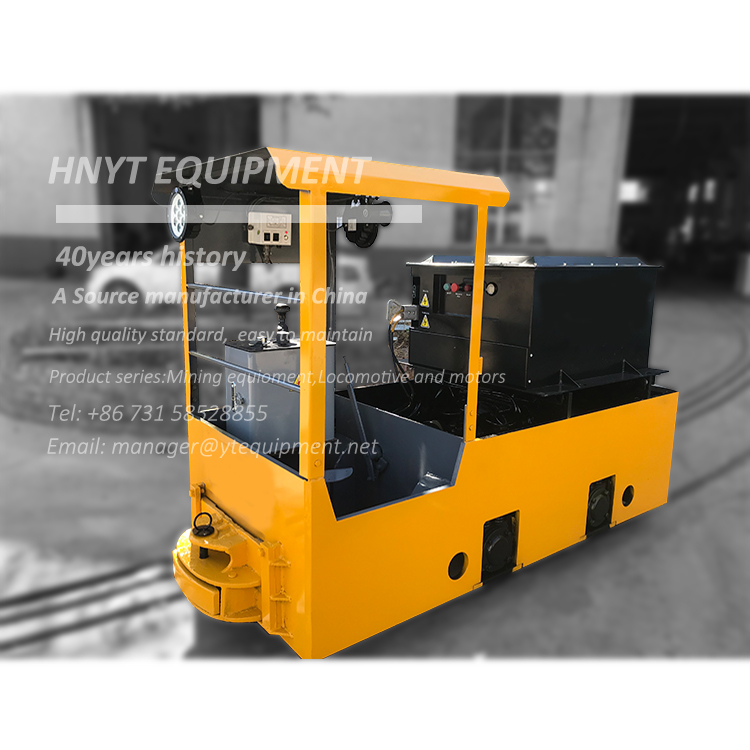
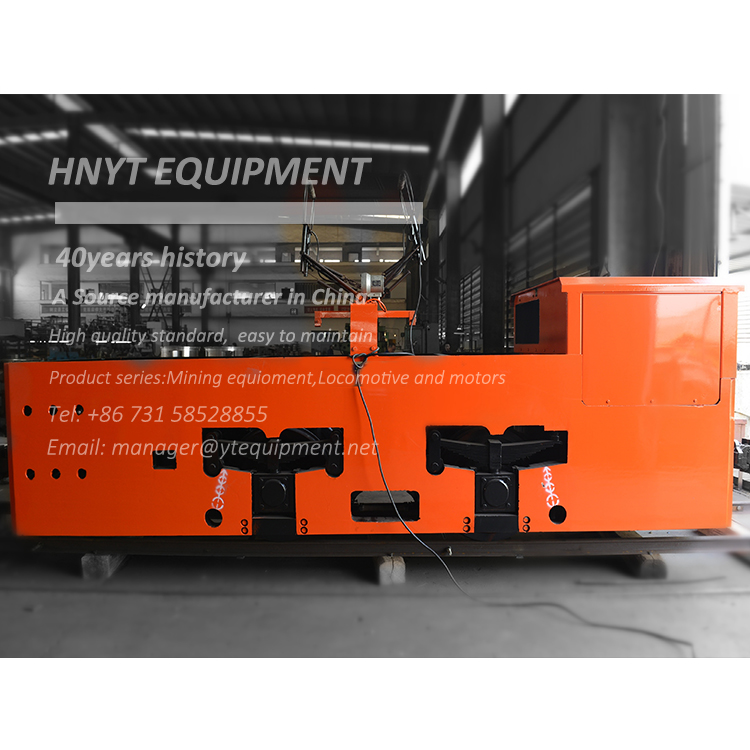
Electric braking in mining lithium battery locomotives plays a crucial role in ensuring safe and reliable operation underground. However, like any electrical system, it can occasionally encounter faults that affect braking performance and pose potential risks. Understanding the common electric braking issues is essential for timely troubleshooting and maintenance.
1. Weak Braking Torque
One common problem with electric braking in mining lithium battery locomotives is reduced braking torque. When the braking force is weak, the locomotive may struggle to slow down or stop effectively. Causes may include:
Faulty braking resistors.
Loose or poor connections in the braking circuit.
Malfunctioning brake controllers.
This issue can increase stopping distances, especially in downhill or high-load conditions, reducing operational safety.
2. Complete Loss of Braking Torque
In some cases, the locomotive may lose all electric braking capability. This means no torque is generated during braking, leading to complete reliance on mechanical or pneumatic systems. Potential causes include:
Open circuits in the braking system.
Damaged or burned-out resistors.
Failure of the braking controller.
A total loss of electric braking in mining lithium battery locomotives can significantly increase the risk of operational hazards, especially on inclined tracks.
3. Braking Failure in One Direction Only
Another less frequent but critical fault is when electric braking fails in only one travel direction (either forward or reverse). This may be caused by:
One-way malfunction in the brake controller.
Incorrect wiring in the braking circuit.
Such directional issues can cause the locomotive to operate safely in one direction but unsafely in the other, which is particularly dangerous in tunnels with limited space to maneuver.
Troubleshooting and Maintenance Tips
To ensure the safe and reliable performance of electric braking in mining lithium battery locomotives, follow these key steps:
Regularly inspect all braking circuits and connections.
Check resistor condition and replace damaged units promptly.
Verify brake controller operation and configuration.
Seek assistance from trained technicians if issues persist.
Proactive maintenance can help avoid system failures and ensure consistent braking performance underground.
Understanding and resolving issues related to electric braking in mining lithium battery locomotives is essential for maintaining operational safety. Common faults like weak torque, total braking loss, and directional failure can all compromise locomotive control. By performing timely inspections and addressing problems early, operators can ensure reliable performance and reduce risks during mining operations.